

Zen Napping: Designing Stress-Free Cat Zones at Home
 A calm cat isn't born. It's designed. Quiet corners, elevated perches, and intentional spaces do the work.
Cats don't ask for much. But they need more than food and a litter box.
Indoor cats spend their entire lives within your walls. Without thoughtful design, that environment becomes stagnant, predictable, and understimulating. Stress follows. Behavioral problems emerge. The cat who once explored every corner now hides under the bed or scratches the furniture out of frustration.
A 2024 study found that cats in enriched environments had nearly half the cortisol levels of cats in standard settings. The difference wasn't medication or training. It was design: hiding spots, vertical space, and quiet zones that let cats express natural behaviors without interference.
Why Environment Shapes Behavior
Cats evolved as both predators and prey. This dual identity creates conflicting needs: they want to observe their territory from above, but they also need enclosed spaces to retreat when threatened.
A home that ignores these instincts creates chronic low-grade stress. Signs include:
-
Excessive grooming or hair loss
-
Hiding more than usual
-
Aggression toward people or other pets
-
Avoiding the litter box
-
Destructive scratching on furniture
Research from the Journal of Feline Medicine and Surgery shows environmental enrichment reduces stress-related behaviors by up to 30%. The solution isn't more toys. It's better spaces.
The Five Pillars of a Cat-Friendly Home

Feline behaviorists identify five core environmental needs. Meeting all five creates a foundation for calm, confident cats.
|
Pillar |
What It Means |
How to Provide It |
|
Safe Space |
A retreat from stressors |
Quiet room, enclosed bed, carrier left open |
|
Vertical Territory |
High perches for observation |
Cat trees, wall shelves, window perches |
|
Scratching Surfaces |
Claw maintenance and scent marking |
Posts near resting and entry areas |
|
Hunting Simulation |
Mental stimulation through play |
Puzzle feeders, interactive toys |
|
Consistent Routine |
Predictable feeding and interaction times |
Fixed schedule for meals and play |
Designing a Safe Haven
Every cat needs at least one space where they feel completely protected. This isn't optional. It's foundational.
Characteristics of an Effective Safe Space:
-
Located in a quiet, low-traffic area
-
Away from loud appliances and sudden noises
-
Includes an enclosed bed or hiding spot
-
Elevated options for cats who prefer height
-
Separate from litter boxes and feeding areas
In multi-cat households, each cat needs their own retreat. Shared spaces create competition and stress. The rule of thumb: one safe space per cat, plus one extra.
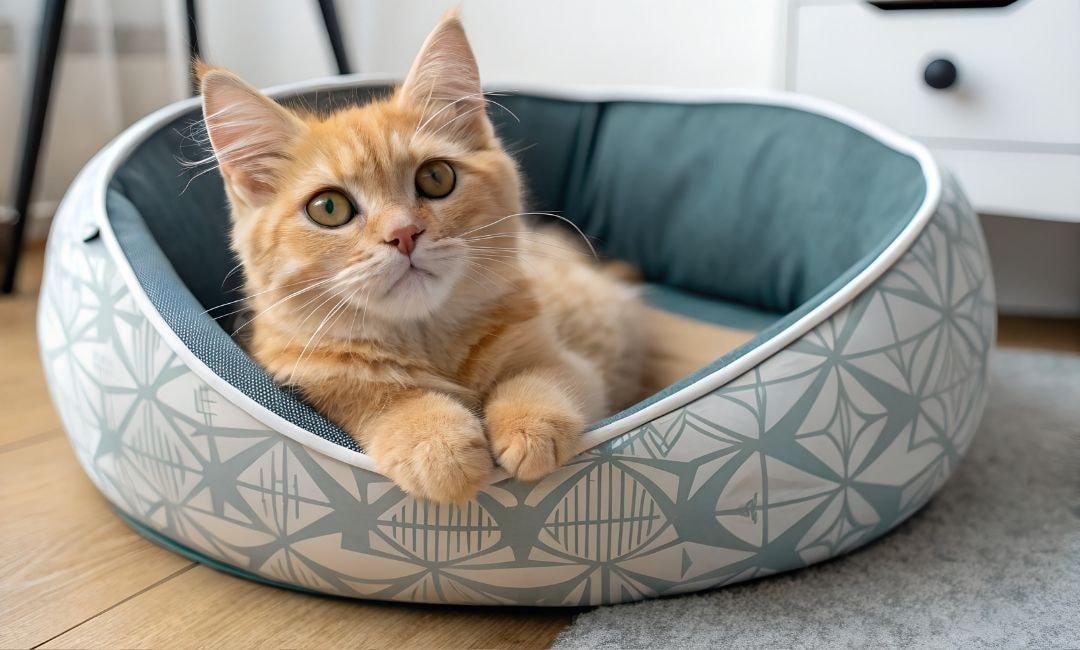
A Personalized Cat Bed placed in a quiet corner becomes a territory anchor. The familiar scent combined with soft, enclosed design signals safety. Cats return to these spaces instinctively when stressed.
Vertical Space and Observation Points

Height equals safety in feline logic. A cat perched on a tall shelf can survey their territory without feeling vulnerable.
A 2024 study in Applied Animal Behavior Science found that cats with access to vertical spaces had 20% lower cortisol levels than cats limited to floor level. The physical act of climbing also provides exercise and mental stimulation.
Options for Adding Vertical Space:
-
Cat trees with multiple levels (3-6 feet recommended)
-
Wall-mounted shelves in staggered patterns
-
Window perches with views of outdoor activity
-
Tall furniture positioned for safe jumping access
Place vertical elements near windows when possible. Bird watching provides hours of passive enrichment without requiring your direct involvement.
Strategic Placement of Resources
Cats handle conflict through avoidance. Forcing them to share food bowls, litter boxes, or resting spots creates tension that manifests as behavioral problems.
Placement Guidelines:
-
Litter boxes: One per cat plus one extra, in separate locations
-
Food and water: Not adjacent to each other or near litter boxes
-
Scratching posts: Near entry points and resting areas
-
Beds and perches: Distributed throughout the home, not clustered
Cats scratch most frequently after waking and when entering rooms. Placing posts near sleeping spots and doorways captures this instinct before it targets furniture.
Sensory Considerations
Cats experience the world through scent, sound, and temperature differently than humans. Small adjustments create outsized comfort.
-
Scent: Avoid strong fragrances, air fresheners, or cleaning products near cat zones. Cats rely on familiar scent markers for security. Washing bedding too frequently removes comforting smells.
-
Sound: Keep ambient noise below 55 decibels in rest areas. A 2023 LSU Veterinary School study found soft classical music reduced stress in 65% of cats. Avoid sudden loud noises near sleeping spots.
-
Temperature: Cats prefer warmer environments than most humans. Place beds near (but not on) heat sources. A spot near a sunny window or above a radiator becomes a natural favorite.
Creating Zones with Intention

A Custom Personalized Cat Blanket transforms any corner into a dedicated territory. The familiar texture combined with your cat's own scent creates a reliable retreat.
For cats who prefer enclosed spaces, a Personalized Cat Pillow placed inside a cat cave or covered bed adds personalization to the safe haven. Cats recognize these items as theirs, reducing territorial anxiety.
In multi-cat households, personalized items help distinguish individual territories. Each cat claims their own space, reducing competition and conflict.
Conclusion
Designing stress-free cat zones at home isn't about luxury. It's about meeting biological needs that indoor environments often ignore. Vertical space, quiet retreats, and strategic resource placement reduce cortisol, prevent behavioral problems, and create calmer, more confident cats.
The investment is minimal. The return is measurable: less hiding, less scratching, less conflict, and a cat who moves through your home with ease instead of anxiety.
Ready to create intentional spaces for your cat? Browse Chic Kitty's Personalized Cat Beds and Custom Cat Blankets to anchor their safe zones with comfort and familiarity. Explore the collection and design with purpose.
FAQs
How many safe spaces does my cat need?
At minimum, one per cat in your household plus one extra. Each space should be in a separate location to prevent competition.
Does vertical space really reduce stress?
Yes. Research shows cats with access to elevated perches have significantly lower cortisol levels. Height provides a sense of safety and control.
Where should I place scratching posts?
Near sleeping spots and room entry points. Cats scratch most after waking and when entering new spaces. Corner placement also works well.
Can music help calm my cat?
Studies suggest soft classical music can reduce stress in many cats. Avoid sudden or loud sounds, especially near resting areas.
What if my cat ignores the spaces I create?
Observe where your cat naturally gravitates. Place beds and perches in those locations rather than forcing new spots. Add familiar scents to encourage use.